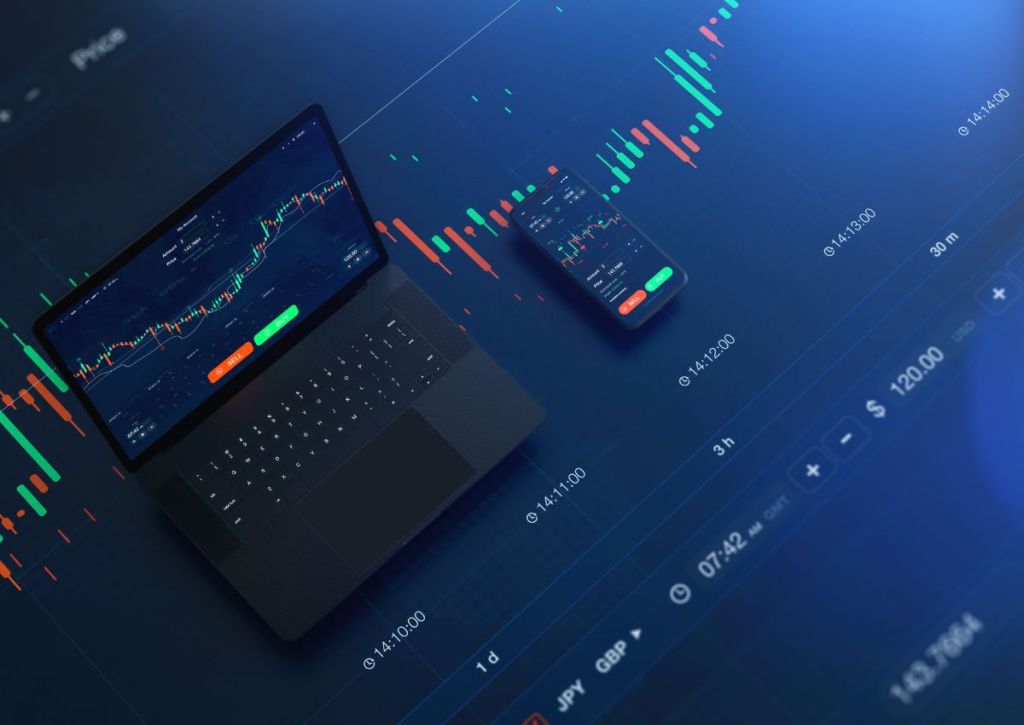
Welcome to the world of trading! Whether you’re a beginner or looking to sharpen your skills, this guide will take you through the essential steps to trade successfully and increase your chances of winning.
Understand the Current Market Before diving into specific strategies:
it’s crucial to understand the current trading environment. As of now, we are experiencing a ‘volatile market’ characterized by fluctuating prices and uncertainty. This period can present both opportunities and risks. It is advisable to exercise caution, favoring defensive strategies or sectors that traditionally perform well in uncertain times.
let’s dive right in to the best/ favorable times to trade.
Best Times to Buy or Sell:
Timing is everything in trading. The most effective times to trade are often:
*Market Open (9:30 AM – 10:30 AM EST): The first hour is typically marked by high volatility and significant volume.
*Midday Lull (11:30 AM – 1:30 PM EST): This period often sees lower volume, which can be a good time for day trading strategies.
*Market Close (3:00 PM – 4:00 PM EST): The final hour can be highly active as traders position themselves before the market closes.
Popular and Profitable Stocks When considering what to trade, it’s wise to focus on stocks that have shown strong performance and stability.
Here are some of the most popular and profitable items on the stock market:
1. Apple Inc. (AAPL): A leader in technology and innovation.
2. Amazon.com Inc. (AMZN): Dominates e-commerce and cloud computing.
3.Tesla Inc. (TSLA): A frontrunner in electric vehicles and renewable energy.
4. Microsoft Corp. (MSFT): Strong presence in software and cloud services.
5. Alphabet Inc. (GOOGL): The parent company of Google, excelling in advertising and AI.
6. NVIDIA Corp. (NVDA): Key player in graphics processing and AI technology.
7.Johnson & Johnson (JNJ): A robust healthcare company with a diversified portfolio. Focusing on these stocks can provide a solid foundation for your trading strategy.
Here is A Step-by-Step Trading Guide
Step 1:
Educate Yourself:
Understanding market fundamentals is crucial. Study financial news, follow market trends, and familiarize yourself with different trading strategies, such as day trading, swing trading, and long-term investing.
Step 2:
Choose a Trading Style :
Decide whether you want to be a day trader, swing trader, or long-term investor. Each style has its own techniques and time commitments.
Step 3:
Develop a Trading Plan :
Your plan should outline:
*Entry and Exit Points: Identify the price levels at which you will buy or sell.
*Risk Management: Determine how much capital you are willing to risk on each trade. A common rule is to risk no more than 1-2% of your total trading capital on a single trade.
*Target Profit: Set clear profit goals to guide your trades.
Step 4:
Choose the Right Platform: Selecting a reliable trading platform is essential.
Here are seven legit trading platforms you can use globally:
1. TD Ameritrade: (tdameritrade.com) (https://www.tdameritrade.com)
2. E*TRADE: (etrade.com) (https://www.etrade.com)
3. Robinhood: (robinhood.com) (https://www.robinhood.com)
4. Fidelity: (fidelity.com) (https://www.fidelity.com)
5. Charles Schwab: (schwab.com) (https://www.schwab.com)
6. Interactive Brokers: (interactivebrokers.com) (https://www.interactivebrokers.com)
7. Coinbase (for cryptocurrencies): [coinbase.com](https://www.coinbase.com)
Step 5:
Monitor Your Trades Once you’ve placed your trades, monitor them closely. Use stop-loss orders to minimize losses and adjust your strategy as necessary.
Step 6:
Review and Adjust After each trading period, review your trades. What worked? What didn’t? Use this analysis to adjust your strategy going forward.
Risks and Gains in Trading

Trading carries inherent risks, including:
– Market volatility
– Liquidity risks
– Leverage risks
However, with proper education and risk management, trading can offer:
– Potential for high returns
– Diversification of income streams
– Opportunity to trade globally
Trading is not without its risks. Market volatility can lead to unexpected losses, and emotional decision-making can exacerbate these risks. However, with informed strategies, proper risk management, and continuous learning, the potential for significant gains exists. Always remember to trade responsibly and never invest more than you can afford to lose.
Additional Resources:
This additional resources are provided to help in more detailed education on trading and the risks management.
– https://www.investopedia.com/terms/t/technicalanalysis.asp
– https://www.investopedia.com/terms/f/fundamentalanalysis.asp
– https://www.babypips.com/learn/forex/risk-management
In conclusion, Trading can be a rewarding endeavor if approached with the right mindset and strategy. By understanding market dynamics, choosing the right stocks, and following a structured trading plan, you can increase your chances of success. Keep educating yourself, stay disciplined, and be prepared to adapt as the market evolves. For more detailed explanations on specific topics, feel free to explore related articles linked throughout this guide. Happy trading!
Disclaimer: Trading carries risks, and it’s essential to consult with a financial advisor before making investment decisions.
Note: This blog post is for educational purposes only and should not be considered investment advice.
Happy trading!

Leave a comment